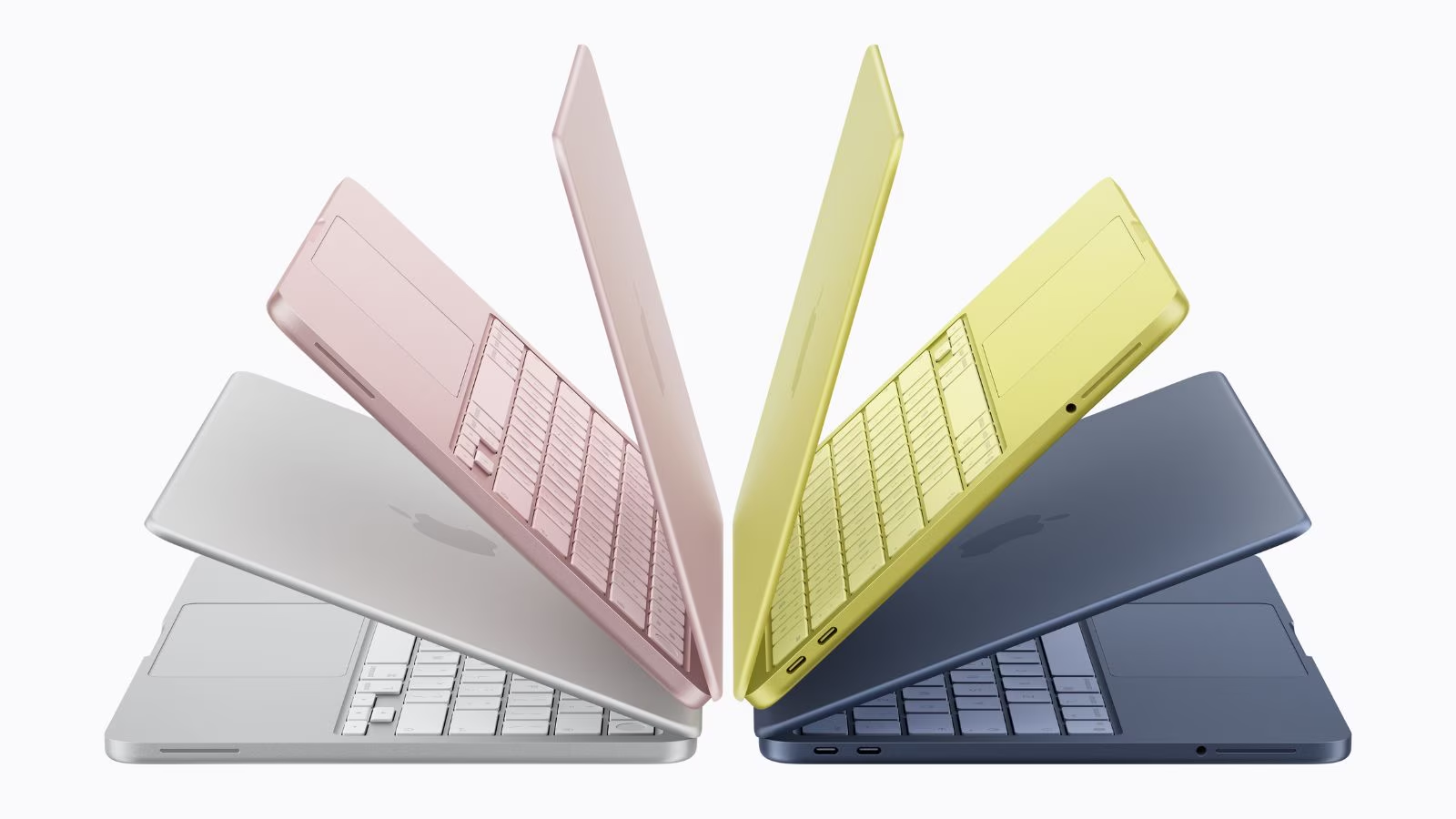
Best Laptop for Students in 2026: Why Apple MacBook Neo Is a Smart Choice
Apple MacBook Neo: A Smart Laptop Choice for Students and Educators As classrooms become more digital, students and educators need reliable devices that support research, collaboration, and creativity. Apple MacBook Neo for education is designed as an accessible Mac laptop that delivers performance, portability, and long battery life—making it suitable for modern learning environments. With a vibrant display, powerful Apple silicon, and built-in productivity tools, MacBook Neo can support everyday academic tasks such as assignments, presentations, online learning, and content creation. Why MacBook Neo Fits Modern Education Students and educators today rely on laptops for multiple tasks—from virtual classrooms to digital collaboration. MacBook Neo combines Apple’s hardware and software ecosystem in a lightweight device that can handle these everyday workflows. Because it runs macOS, users get access to built-in apps, security features, and seamless integration with other Apple devices. For schools and universities adopting digital learning, this combination helps students stay productive across assignments, research, and communication. Key Features of Apple MacBook Neo 1. Apple Silicon Performance for Academic Work MacBook Neo is powered by the Apple A18 Pro chip, delivering efficient performance for everyday tasks such as: Writing reports and assignments Creating presentations Running productivity apps Attending online lectures Researching academic content The chip is designed to balance performance and power efficiency, helping students work smoothly throughout the day. 2. Visual Learning Redefined with Apple’s Liquid Retina Display The laptop features a 13-inch Liquid Retina display that provides sharp visuals and bright colors. This display improves activities such as: Reading digital textbooks Watching educational videos Designing presentations Participating in online classes For educators who frequently use visual content in lessons, the display helps present information clearly. 3. Long Battery Life for All-Day Classes Battery life is essential in educational settings where students may spend hours moving between lectures, libraries, and study groups. According to Apple, MacBook Neo supports up to 16 hours of battery life, allowing users to continue working without frequent charging. This makes it useful for: Full-day campus schedules Long study sessions Remote learning environments 4. Built-in Apps for Productivity and Collaboration MacBook Neo comes with Apple’s productivity apps, including: Pages for documents Keynote for presentations Safari for research FaceTime for communication These tools allow students and educators to start working immediately without installing additional software. 5. Camera and Audio for Online Learning With a 1080p FaceTime HD camera, MacBook Neo supports clear video for: Virtual classrooms Online tutoring sessions Group collaboration meetings Built-in speakers and microphones also help deliver clear audio during lectures and discussions. 6. Security and Privacy for Student Data MacBook Neo includes Apple’s built-in security protections available in macOS, such as: File encryption through FileVault Secure system updates Privacy-focused app permissions These features help protect academic files and personal information. Designed for Campus Mobility Students and teachers often carry devices between classrooms, libraries, and home. MacBook Neo is designed to be lightweight and portable while still providing: Magic Keyboard for comfortable typing Large Multi-Touch trackpad USB-C connectivity for accessories and charging This portability makes it suitable for students who rely on their laptop throughout the day. MacBook Neo in the Digital Classroom Educational institutions increasingly adopt technology-driven learning models. Devices like MacBook Neo support activities such as: Online coursework Collaborative group projects Multimedia presentations Creative assignments like video or design projects Because the device runs macOS and integrates with Apple services, it can also work alongside other Apple tools used in schools. Conclusion Apple MacBook Neo offers a combination of performance, portability, and built-in productivity tools that can support modern learning environments. With a Liquid Retina display, efficient Apple silicon, and long battery life, the laptop provides students and educators with a reliable device for academic tasks and collaboration. As digital education continues to grow, devices like MacBook Neo help support flexible learning—from traditional classrooms to hybrid and remote education models.
Read More
AI-Powered Smart Classroom Devices: The Future of Digital Learning in India
Connected Classroom Solutions for Schools: The Rise of AI-Driven Teaching Education in India is rapidly evolving. Schools and universities are moving beyond traditional teaching tools and adopting AI-powered connected classroom devices to improve engagement, streamline lesson delivery, and support hybrid learning environments. As an Authorized Partner, Sniper Education brings Teachmint X, an AI-powered Google EDLA Certified connected classroom device designed to simplify teaching and enhance student outcomes. Why Smart Classrooms Are the Future Modern institutions require more than just digital screens. They need: AI-assisted lesson planning Secure Android-based systems Seamless Google & Microsoft integration Interactive and collaborative learning tools Reliable, future-ready hardware Connected classroom technology is becoming a foundational part of digital transformation in education. Teachmint X: A Complete Connected Classroom Solution Teachmint X combines intelligent software with advanced hardware to deliver an all-in-one classroom experience. EduAI Smart Assistant The built-in EduAI assistant helps educators: Auto-create lesson plans Generate quizzes instantly Summarize lectures Prepare structured teaching materials This reduces preparation time while improving classroom productivity. Google EDLA Certified – Secure Android 14 Running on Android 14 with Google EDLA certification, the device offers: Official Google apps access (Meet, Drive, Docs, Sheets) Native Play Store compatibility Enhanced security with Google Play Protect Smooth integration into existing school ecosystems This ensures reliability and compliance for institutions. Connected Classroom Capabilities The integrated Classroom App enables: Lesson management and study material sharing Attendance tracking (remote & in-class) Lecture recording and publishing Live collaboration and engagement tools This creates a seamless digital learning environment for both teachers and students. Next-Generation AI Hardware Teachmint X is built with: Advanced AI-enabled processor Dedicated Neural Processing Unit (NPU) High-resolution interactive display Smooth, zero-lag touch experience The result is a responsive, durable, and future-ready classroom device. Conclusion AI-powered connected classroom devices are redefining how education is delivered. With Google-certified security, intelligent teaching assistance, and integrated classroom management tools, Teachmint X provides institutions with a scalable and future-ready digital learning solution.
Read More
Future-Ready Digital Classrooms: How Technology Is Transforming Education in India 2026
Smart Classroom Solutions in India: Complete Guide for Schools & Colleges In today’s fast-evolving education landscape, institutions that leverage digital learning technologies are leading the way in student engagement, creativity, and academic outcomes. With the rapid adoption of smart classroom solutions, interactive learning tools, and technology integration in teaching, schools and colleges across India are reimagining how education happens in the 21st century. As digital expectations rise among students, parents, and educators, institutions are increasingly turning to integrated technology partners like Sniper Systems and Solutions Pvt. Ltd. to build scalable, future-ready learning environments. Why Digital Transformation Matters in Education The shift from traditional classrooms to tech-empowered learning environments is no longer optional — it’s essential. Search trends show growing demand for: online learning platforms virtual classrooms interactive classroom technology education technology implementation These high-intent searches reflect what modern learners and institutions value most: flexibility, engagement, and real-world readiness. Educational institutions that embrace digital transformation are already seeing measurable benefits: Higher student engagement and participation Enhanced collaboration between students and teachers Personalized learning pathways Better preparedness for modern, technology-driven careers But where does one start with digital education solutions? Let’s explore the key pillars shaping the future of learning. 1. Smart Classrooms: The New Standard in Education Smart classrooms unlock interactive and meaningful learning experiences by blending pedagogy with technology. From interactive displays to cloud-enabled collaboration tools, these classrooms help students understand concepts visually and intuitively. Core elements of smart classrooms include: Touchscreen panels replacing traditional chalkboards Digital content for live demonstrations and simulations Seamless integration with tablets and laptops As more schools and colleges adopt these setups, smart classrooms are becoming the benchmark for quality education and effective teaching outcomes. 2. Audio-Visual (AV) Solutions: The Backbone of Smart Classrooms While smart classrooms introduce digital interactivity, it is audio-visual (AV) integration that ensures clarity, consistency, and inclusivity in learning. Well-designed AV solutions for education ensure that every student can clearly see and hear lesson content — whether they are seated in the last row or attending remotely. Key AV components used in modern classrooms include: High-resolution projectors and LED displays Professional classroom audio systems Wireless presentation and screen-sharing tools Video conferencing solutions for hybrid learning Effective AV integration delivers: Improved content clarity Better student focus and comprehension Increased teacher confidence while delivering lessons Seamless hybrid and remote learning experiences For institutions building future-ready classrooms, AV solutions are not optional add-ons — they are a foundational requirement. 3. iPads & MacBooks in Learning: A Game-Changer for Students Modern learning thrives on device-based engagement. Tools like iPads in education and MacBooks in classrooms empower students to create, collaborate, code, and communicate effectively. Key benefits of Apple-powered learning environments include: Access to immersive educational apps Creative storytelling, video creation, and project-based learning Seamless collaboration between students and teachers Educational institutions adopting Apple devices are not just upgrading hardware — they are enabling creativity-driven, student-centric learning that aligns with global education standards. 4. Teacher Empowerment with Professional Learning Tools Even the most advanced classrooms depend on confident, skilled educators. Technology delivers results only when teachers know how to integrate it effectively into daily instruction. Professional learning programs help educators: Use digital tools creatively in lesson planning Manage digital classrooms efficiently Increase student engagement through interactive teaching methods By investing in teacher technology training, institutions ensure that digital transformation is sustainable and impactful — not superficial. 5. Cloud & Collaboration Tools: Learning Without Boundaries Today’s digital classrooms rely on cloud-based platforms that support collaboration beyond physical classrooms. Cloud and collaboration tools enable: Real-time document sharing and co-creation Secure communication between students and faculty Easy access to learning resources anytime, anywhere From learning management systems to device ecosystems, cloud integration helps institutions build connected, secure, and scalable education environments. Final Thought: The Future of Education in India Is Digital Education in India — from primary schools to higher education institutions — is embracing digital transformation at an unprecedented pace. Institutions that combine smart classroom technology, AV integration, teacher training, and student-centric digital tools are setting new benchmarks in learning outcomes. For educators and decision-makers, the focus should be on technology-enabled education ecosystems that are scalable, inclusive, and future-ready. Keep learning. Keep innovating. And let digital tools unlock the full potential of your education ecosystem.
Read More
Engineering the Future of AEC: BIM, Real-Time Visualization & High-Performance Workstation Solutions
Engineering the Future of AEC with Intelligent Design, Visualization & Workstation Solutions The Architecture, Engineering, and Construction (AEC) industry is rapidly evolving with digital design, real-time visualization, and data-driven collaboration becoming central to project success. To keep pace, engineering firms need more than individual tools—they need an integrated technology ecosystem that supports design accuracy, performance, and scalability. Sniper Systems & Solutions enables AEC and engineering organizations to adopt advanced software platforms, high-performance workstations, and cloud-based collaboration solutions—helping teams design smarter, visualize better, and deliver projects faster. Digital Transformation in Engineering & AEC Modern engineering workflows demand: Building Information Modeling (BIM) Real-time visualization and simulation High-performance computing for design and rendering Secure collaboration across distributed teams By aligning the right software with certified hardware and enterprise-grade support, Sniper helps AEC professionals transition from traditional design methods to future-ready engineering workflows. Advanced AEC Software for Design & Construction Autodesk Solutions for BIM and Infrastructure Design Autodesk tools form the backbone of many AEC environments, enabling architects, engineers, and construction teams to collaborate across the project lifecycle. Key capabilities include: BIM-driven design and coordination Infrastructure and civil engineering workflows Construction planning and project collaboration Data continuity from concept to execution Sniper supports Autodesk licensing, deployment, and optimization to ensure smooth adoption across engineering teams. Real-Time Visualization with Unity for AEC As design communication becomes more immersive, real-time 3D visualization plays a critical role in decision-making. Unity enables AEC teams to transform complex engineering data into interactive experiences. Benefits include: Interactive 3D walkthroughs Real-time design validation Enhanced stakeholder engagement VR and AR-ready visualization workflows Sniper helps organizations integrate real-time visualization into existing engineering pipelines. Photoreal Architectural Visualization with Unreal Engine For high-end visualization and digital twin applications, Unreal Engine delivers cinematic realism and real-time performance. Common use cases: Architectural visualization Urban planning and smart city models Design simulations and virtual reviews Immersive client presentations Sniper aligns visualization software with the right computing infrastructure to ensure optimal performance. High-Performance Workstations for Engineering Workloads Engineering applications such as BIM, simulation, and rendering require reliable and powerful hardware. Sniper provides access to ISV-certified workstations designed specifically for AEC workloads. Lenovo Workstations for AEC Professionals Lenovo workstations are widely used in engineering environments due to their stability and performance. Key advantages: Certified for leading AEC software Optimized CPU and GPU configurations Built for intensive design and visualization tasks A Trusted Technology Partner for Engineering Teams Sniper works closely with engineering and AEC organizations to deliver: Software licensing and lifecycle management Workstation assessment and deployment Visualization and real-time engine enablement Cloud and collaboration strategy Ongoing technical support This approach ensures technology investments translate into measurable project efficiency and design excellence. Why Choose Sniper for AEC Technology Solutions? Sniper supports AEC organizations with: Software licensing and lifecycle management Workstation assessment and deployment Visualization and real-time engine enablement Cloud collaboration strategy and support Conclusion The AEC industry is moving fast. BIM, real-time visualization, and cloud collaboration are becoming standard practice. To succeed, teams need a technology partner that can support software, hardware, and collaboration workflows. Sniper Systems & Solutions provides end-to-end AEC technology solutions that help engineering teams design smarter, visualize better, and deliver projects faster.
Read More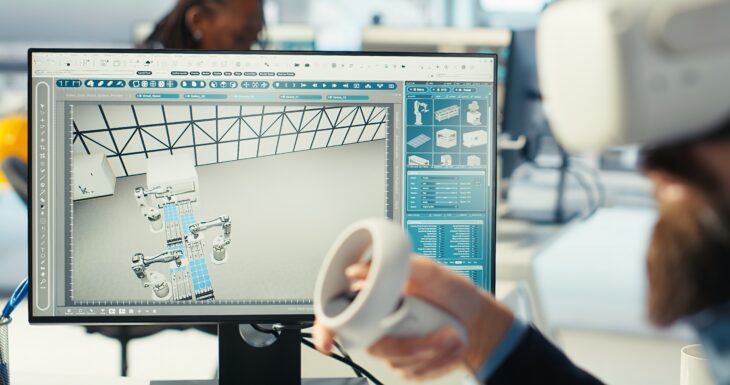
Beyond BIM: How Digital Twins Are Transforming Smart Construction and Facility Management
From BIM to Digital Twins: How Smart Infrastructure Is Being Built and Managed Today The architecture, engineering, and construction (AEC) industry is undergoing a major digital shift. While Building Information Modeling (BIM) has already transformed how projects are designed and coordinated, organizations are now moving a step further with Digital Twin technology. Together, BIM and Digital Twins are reshaping how buildings and infrastructure are planned, delivered, and managed throughout their entire lifecycle. This evolution is not about replacing BIM, but extending its value beyond construction into real-time operations, performance monitoring, and long-term asset optimization. From BIM Models to Living Digital Assets BIM provides a detailed, data-rich 3D model that helps teams visualize designs, detect clashes, and coordinate stakeholders before construction begins. However, traditional BIM models often remain static once a project is handed over. Digital Twins change this paradigm. A Digital Twin is a dynamic digital representation of a physical asset that continuously updates using real-time data from sensors, systems, and operational inputs. When BIM data is connected to cloud platforms and live operational information, it becomes a powerful decision-making tool that supports the entire asset lifecycle. Why Digital Twins Matter Beyond Construction The value of Digital Twins extends far beyond the construction phase. Organizations adopting this approach gain visibility and control across multiple stages: Design optimization using real-world performance insights Construction accuracy through data-driven coordination Operational efficiency with live monitoring of systems Predictive maintenance to reduce downtime and costs Sustainability tracking for energy and resource optimization Instead of relying on assumptions, stakeholders can make decisions based on real-time building behavior. Key Use Cases Across the Asset Lifecycle 1. Smart Building Operations Facility managers can monitor HVAC systems, lighting, occupancy, and energy consumption through a Digital Twin, enabling faster issue resolution and improved user comfort. 2. Predictive Maintenance By analyzing performance data, organizations can identify potential equipment failures before they occur—reducing unplanned downtime and extending asset life. 3. Infrastructure Performance Monitoring Digital Twins help track structural health, usage patterns, and environmental impact across complex infrastructure projects such as airports, campuses, and industrial facilities. 4. Data-Driven Sustainability With rising ESG goals, Digital Twins provide measurable insights into energy efficiency, carbon footprint, and operational sustainability. How BIM and Digital Twins Work Together BIM acts as the foundation for Digital Twins. Accurate models, structured data, and standardized workflows are essential to building an effective Digital Twin environment. Cloud-based platforms enable: Centralized data access Collaboration across teams Integration with IoT and operational systems Continuous updates throughout the asset lifecycle This seamless connection ensures that design intent is preserved while adapting to real-world conditions. Implementing BIM and Digital Twin Workflows in Practice Adopting BIM and Digital Twin solutions is not just a technology upgrade—it requires the right expertise, planning, and integration strategy. Organizations often face challenges such as data standardization, system integration, and change management during implementation. In India, organizations adopting Autodesk BIM and digital twin workflows often rely on experienced technology partners such as Sniper Systems & Solutions, who support enterprises with Autodesk software licensing, implementation guidance, and IT infrastructure alignment. Having access to the right technical knowledge and infrastructure support ensures that Digital Twin initiatives deliver measurable business value rather than remaining conceptual. Autodesk’s Role in Digital Twin Adoption Autodesk plays a key role in enabling BIM-driven Digital Twin workflows through its cloud-based ecosystem. Solutions such as Autodesk Construction Cloud and Autodesk Tandem help organizations connect BIM data with operational insights, enabling smarter asset management. These platforms allow teams to: Maintain a common data environment Transition smoothly from construction to operations Deliver structured digital handover data Support long-term facility performance monitoring This approach aligns closely with modern smart city and infrastructure initiatives. Benefits for Enterprise and B2B Organizations For enterprises managing large portfolios of buildings or infrastructure, BIM and Digital Twins deliver tangible advantages: Reduced operational costs Improved asset reliability Better compliance and reporting Enhanced collaboration across stakeholders Long-term ROI through lifecycle optimization Rather than treating buildings as static assets, organizations can manage them as intelligent, evolving systems. The Future of Smart Infrastructure As digital transformation accelerates, BIM and Digital Twins are becoming essential tools for organizations focused on efficiency, sustainability, and resilience. The shift toward data-driven asset management is no longer optional—it is a competitive necessity. Organizations that invest in these technologies today are better positioned to handle growing complexity, regulatory demands, and operational challenges in the years ahead. Final Thoughts BIM laid the groundwork for digital construction, but Digital Twins are unlocking its full potential. By connecting design data with real-time operational insights, organizations gain unprecedented visibility and control over their built environments. For enterprises seeking smarter ways to design, build, and operate assets, the integration of BIM and Digital Twin technologies represents a decisive step toward the future of intelligent infrastructure.
Read More